
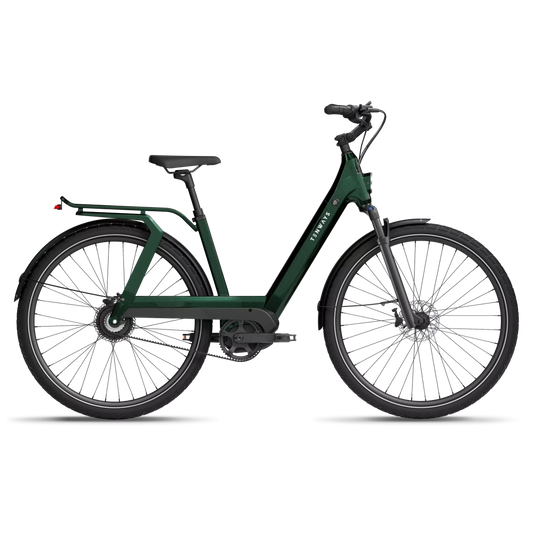
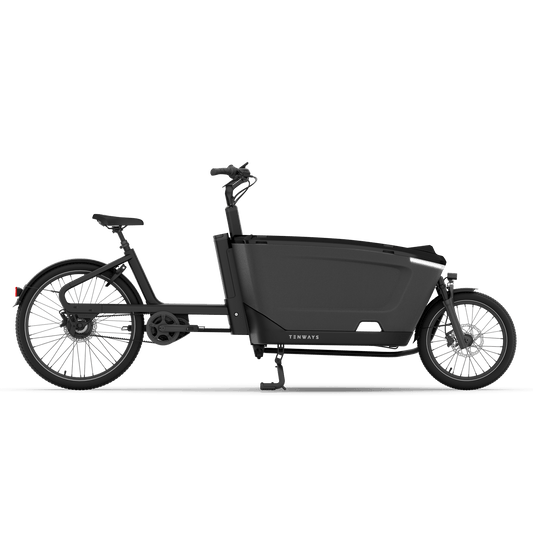


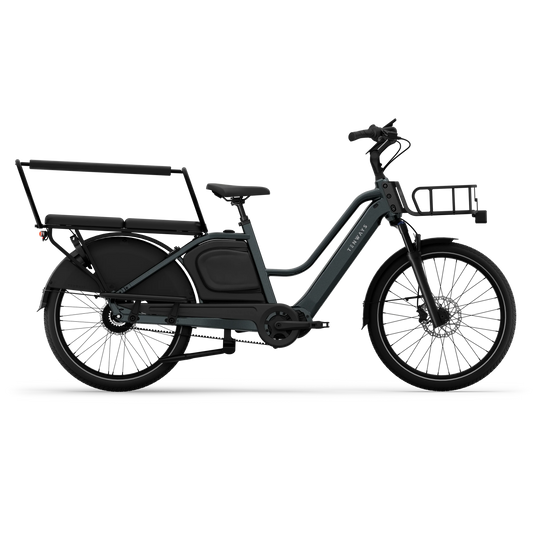
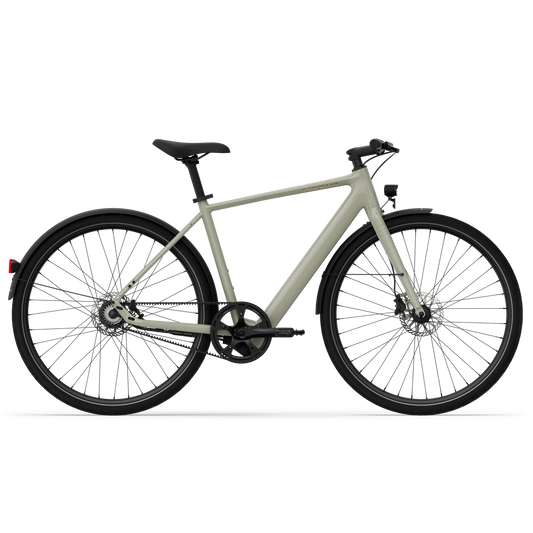


A step-through electric bike makes everyday riding easier to approach. The lowered frame removes the need to swing a leg over a high top tube, while the motor takes some of the effort out of starts, hills and longer journeys. That combination suits far more than one type of rider.
The frame is only the starting point. Fit, weight, motor position, gears, brakes and battery design all shape how the bike feels in daily use. This guide explains the main choices, then points to the specialist guides when a subject needs a closer look.
What Is a Step-Through Electric Bike?
A step-through electric bike has a low or open central frame section, allowing the rider to mount by stepping through the frame. It combines that accessible design with pedal assistance from a motor and battery.
The name describes the frame, not the riding style. A step-through e-bike can be a relaxed city bike, a practical commuter, a mid-drive tourer or a compact model. The important distinction is the open frame, which reduces the height the rider must clear when getting on or off.
In the EU, most standard pedelecs use a motor with a maximum continuous rated power of 250 W, provide assistance only while the rider pedals and stop assisting before 25 km/h. National rules can still differ for equipment, road access and faster e-bike categories, so local guidance remains the final reference.

Benefits and Drawbacks
The clearest benefit is accessibility. A lower entry makes frequent stops easier, especially in traffic, when carrying luggage or when clothing limits movement. It can also make a fully equipped e-bike feel less intimidating at the start and end of a journey.
The upright geometry used on many step-through models gives a clear view of the road and a relaxed position. That works well for urban riding, but not every rider wants the same posture. Some prefer a more forward position for longer or faster trips.
Removing a high top tube changes how the frame handles load. Modern aluminium frames can be designed with enough stiffness for everyday use, but the complete bike may need more material in other areas. Compare the permitted total weight, frame construction and intended terrain instead of assuming every open frame behaves the same.
For a direct structural comparison, read our guide to step-through and step-over frames.
Who Should Choose One?
A step-through frame is useful whenever easy mounting matters. It can suit commuters who stop often, riders who carry shopping, parents using approved accessories, people returning to cycling and anyone who simply prefers an open frame.
Older riders often value the easier entry, but age alone is not a fit measurement. Balance, hip mobility, confidence at low speed and the ability to reach the controls all matter more. Our guide to step-through e-bikes for older riders covers those points in detail.

A low frame does not automatically mean the bike will fit a shorter rider. Saddle height, reach, handlebar position and overall weight still need checking. Riders comparing those factors can use our guide to weight and frame fit for shorter riders.
How to Choose a Step-Through E-Bike
Start with the journeys you already make. Note the distance, hills, surfaces, storage, charging access and anything you regularly carry. A bike that fits those conditions will be more useful than one chosen around a single headline specification.
Frame fit
Check the recommended rider-height range, but do not stop there. Stand over the open section, lower the saddle to a usable pedalling position and make sure the handlebar is within comfortable reach. You should be able to start, steer and stop without stretching or shifting awkwardly on the saddle.

Bike weight
Use the ready-to-ride figure, including the battery and the accessories you need. A difference of several kilograms becomes obvious when lifting the bike over a step, moving it through a hallway or loading it onto a rack. If the battery is removable, also check the bike’s weight without it.
Motor
Rear-hub motors keep the layout simple and can feel smooth on flatter city routes. Mid-drive motors apply assistance through the drivetrain and often feel well balanced on hills or when carrying more weight. Torque and control matter alongside nominal power. The full comparison is in our guide to front, rear and mid-drive motors.
Gears and brakes
A single-speed setup keeps decisions and maintenance to a minimum on flatter roads. Multiple gears make cadence easier to manage when routes change in gradient. Internal gear hubs allow enclosed shifting and, on many systems, gear changes while stationary. Hydraulic disc brakes provide consistent control in mixed urban weather when correctly maintained. Our guide to internal gear hubs, drivetrains and brakes explains how the systems work together.
Battery
Compare battery capacity in watt-hours, but read range claims as estimates rather than guarantees. Temperature, hills, tyre pressure, assistance level, rider weight and luggage all affect real-world distance. A removable battery is convenient when the bike is parked away from a power socket; an integrated battery can support a cleaner frame design.
Types: City, Cruiser, Fat Tire, Mountain and Folding
City and commuter
City step-through e-bikes prioritise predictable handling, road-ready equipment and a comfortable position. Look for reliable lights, suitable mudguards, practical carrying options and tyres matched to local streets.
Cruiser
Cruiser-style models place comfort first, often with swept handlebars and a relaxed seating position. They suit steady rides on paved routes, but the posture and weight may feel less direct for riders who prefer a sportier commute.
Wide-tyre models
Wider tyres can add grip and cushioning on rough surfaces. They also add rotating weight and can increase rolling resistance. Choose tyre width for the roads you ride, not for appearance alone. For category basics, see what separates a fatbike from a standard e-bike.
Mountain-oriented models
A step-through frame can be engineered for unpaved use, but the label does not guarantee trail capability. Frame strength, fork travel, brakes, tyres and the manufacturer’s terrain rating all need to match. Our step-through mountain e-bike guide explains those limits.
Folding and compact models
A true folding e-bike reduces its frame dimensions for storage or transport. A compact e-bike may use smaller wheels, folding pedals or an adjustable stem without folding the main frame. Check the folded size, lifting weight and rack compatibility in our storage and transport guide.
Best Models or Buying Criteria
There is no useful ‘best’ model without a route, rider and storage situation. A good shortlist starts with fit and intended use, then compares only the features that affect those journeys.
For relaxed urban riding, the CGO800S | Plus pairs an open frame with an upright position, a removable battery and a choice of belt or chain drive. Riders who face steeper streets or want stepless shifting can look at the AGO T, which combines a step-through frame with a mid-drive motor, an Enviolo hub and a belt drive.
Those are different solutions, not a universal ranking. Compare the current TENWAYS range of electric bikes, check the live specifications and take a test ride whenever possible. If you are considering a pre-owned bike, use our used step-through e-bike checklist before deciding.
Frequently Asked Questions
Is a step-through e-bike only for older riders?
No. The open frame is useful for commuters, leisure riders, parents, people carrying luggage and anyone who prefers easier mounting. Fit and intended use are more important than age.
Are step-through frames less stable?
Not inherently. Stability depends on the full frame design, wheelbase, steering geometry, tyre choice, weight distribution and load. Use the manufacturer’s permitted weight and terrain guidance when comparing models.
Can a step-through e-bike handle hills?
Yes, when the motor, gearing, battery and brakes suit the route. Mid-drive systems and suitable gearing can make repeated climbs easier, while flatter journeys may not need the same setup.
Is a low entry the same as a small frame?
No. Entry height describes how easily you step through the frame. A bike can have a low entry and still be too long or too tall for a particular rider. Check saddle height, reach and the recommended rider range.
Should I choose a belt drive or a chain?
A belt is clean, quiet and low maintenance. A chain works with a wide range of gearing and is familiar to most workshops. The right choice depends on terrain, gear requirements and access to service.
The most suitable step-through e-bike is the one that feels controlled at low speed, fits your body and removes friction from the journeys you make most often. Start with fit, then choose the motor, drivetrain and battery around the route.


