
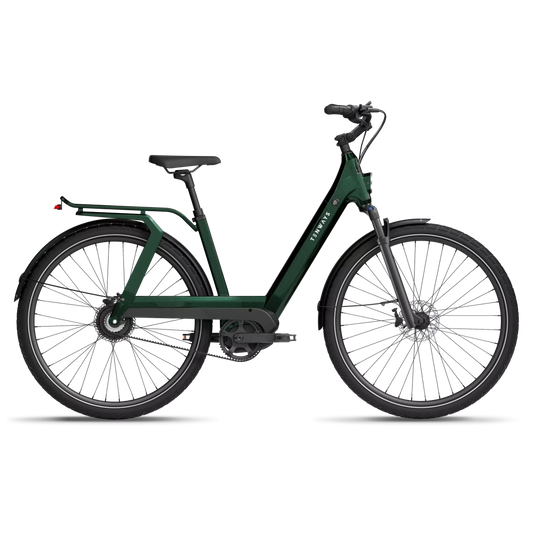
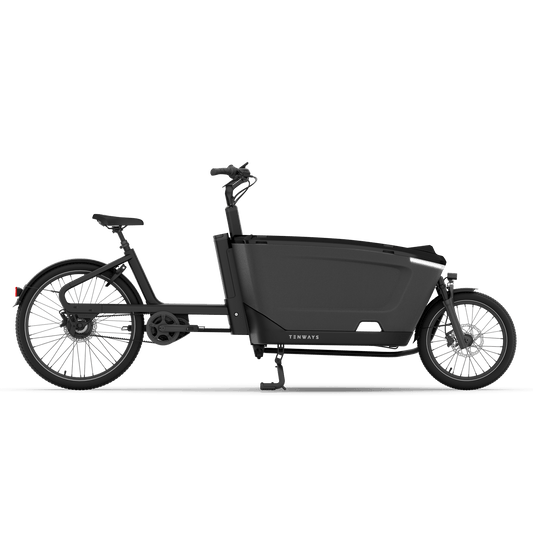


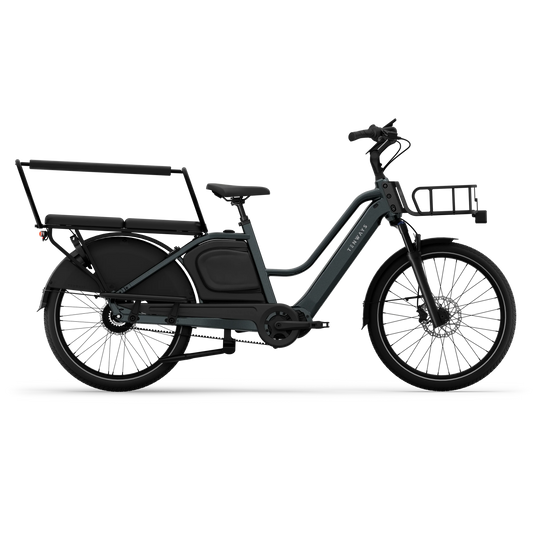
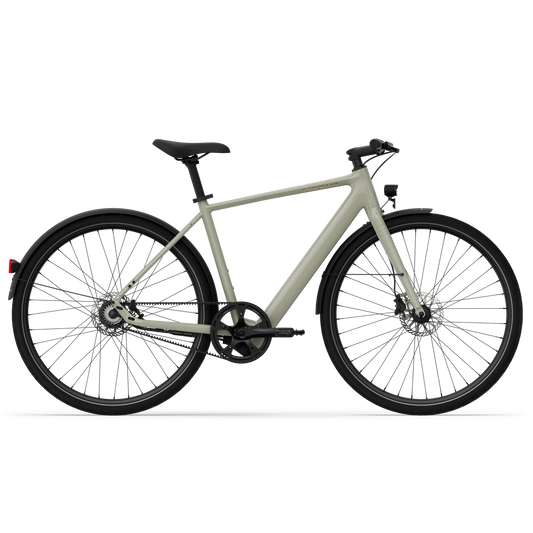


An internal gear hub keeps the gear mechanism inside the rear hub, away from much of the dirt and weather that reach an exposed derailleur. Combined with a step-through frame, it creates a practical setup for riders who value easy access, clean lines and predictable everyday use.
An internal hub still has to work with the frame, motor, brakes and wheel size. The complete guide to step-through electric bikes places those choices in the wider buying decision.
Internal Gear Hub vs Derailleur: Shifting and Use
A derailleur moves the chain across several sprockets. It is efficient, widely understood and available with a broad range of gears. The exposed mechanism is easy to inspect, but it also needs cleaning, adjustment and protection from knocks.
An internal gear hub changes ratios inside a sealed shell. The chain or belt stays on one external line, which supports a tidy drivetrain. The system can be heavier and may need a specialist for internal service, but routine care is usually straightforward.
Gear range matters more than the number of labelled ratios. A wide range helps when the route combines steep climbs with faster flat sections. A close range can feel smoother in a flatter city. Compare the lowest and highest usable ratios, not only the gear count.

Many internal hubs allow the rider to select a different ratio while stationary. That is useful in urban traffic: if the bike stops unexpectedly in a high gear, the rider can choose an easier ratio before moving again.
The shift still needs correct technique. Ease pressure on the pedals, make the change and allow the hub to engage before applying strong force. Under heavy motor load, forcing a shift can create noise and accelerate wear.
A continuously variable hub, such as the Enviolo system used on the AGO T, replaces fixed gear steps with a progressive range. The rider adjusts the ratio to maintain a comfortable cadence rather than selecting a numbered gear.
Belt Drive vs Chain
A belt drive is clean, quiet and does not need regular oiling. It works well with a single rear sprocket or a compatible internal gear hub. The frame must be designed to install the continuous belt, and belt tension and alignment need to stay within specification.
A chain is widely available, familiar to workshops and compatible with derailleurs as well as many hub gears. It needs lubrication and more frequent cleaning, particularly through wet winters or on salted roads.
Neither system removes maintenance. Belts need inspection for damage and correct tension; chains need wear checks and lubrication. Sprockets, bearings and hub components still require service.

A rider who does not need a step-through frame or multiple gears may prefer a simple belt drive ebike such as the CGO600. Keeping that broad product choice on the CGO600 page avoids turning this internal-hub guide into a general belt-drive ranking.
Coaster, Rim and Disc Brakes
Coaster brake
A coaster brake is operated by back-pedalling. It keeps the handlebar simple and is familiar in several European markets. It can limit the rider’s ability to reposition the pedals before starting and provides no front-wheel braking by itself, so the complete legal and practical brake setup must be checked.
Rim brake
A rim brake is light and easy to inspect. Performance depends on clean rims, correct pad alignment and suitable cable condition. Wet weather and rim wear can affect braking, especially on a heavier e-bike.
Disc brake
Disc brakes act at the hub and are less affected by a wet rim. Hydraulic systems offer strong, progressive control with low lever effort when maintained correctly. Pads and rotors remain wear items and should be checked for contamination.
Brake choice should reflect total weight, gradients and local weather. Use both front and rear brakes progressively, and confirm that the levers are comfortable to reach.

Maintenance and Service Cost
Routine work on an internal-hub bike is simple: keep the external drive clean, inspect belt or chain condition, check wheel security and follow the hub maker’s service interval. Internal repairs may require dedicated parts and knowledge.
Ask who can service the hub locally and what routine work is covered by the dealer. A sealed system is most convenient when the service route is clear before purchase.
Derailleur parts can be cheaper and easier to source, but exposed components may need more frequent attention. Calculate maintenance around the local climate and annual distance rather than assuming one system is always less expensive.
Compatibility with Frame and Wheel Size
An internal hub needs a compatible rear dropout, axle spacing, torque restraint and gear-control route. A belt adds frame-split, alignment and tension requirements. These are frame-design decisions, not simple accessories that can be added to every bike later.
Wheel size changes spoke length and wheel construction around the hub. Smaller wheels can be strong and compact, while larger wheels roll differently over rough surfaces. The manufacturer should approve the hub, wheel and frame combination as a system.

Motor position also matters. A rear-hub motor occupies the same location as an internal gear hub, so the two are not normally combined in one rear wheel. Mid-drive and front-hub motors leave the rear hub available for gearing.
Who Benefits from This Setup?
Urban riders who stop often and want to select an easier ratio before restarting.
Commuters who prefer an enclosed gear system through wet or dirty seasons.
Riders who want a belt drive without giving up a useful gear range.
People who value a tidy drivetrain and have access to suitable local service.
Step-through riders who want practical gearing without an exposed derailleur.
An internal gear hub works best when the route, motor and service network all support it. Test shifts under light pedal pressure, confirm the available range on a hill and ask how the hub will be maintained before choosing the setup.


