
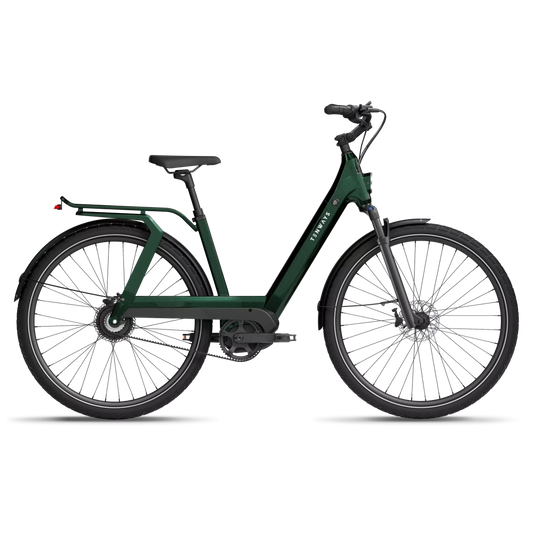



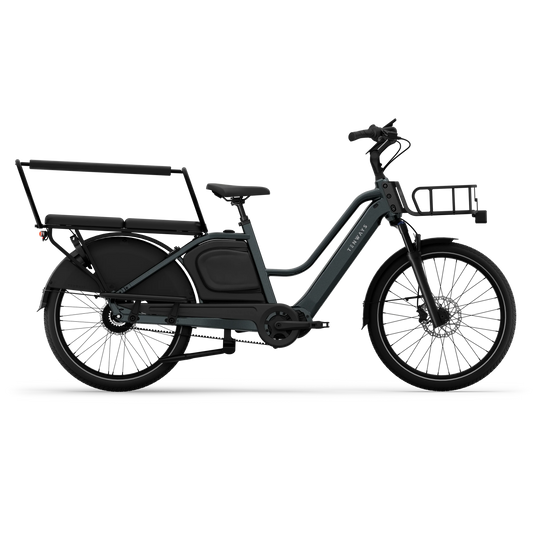
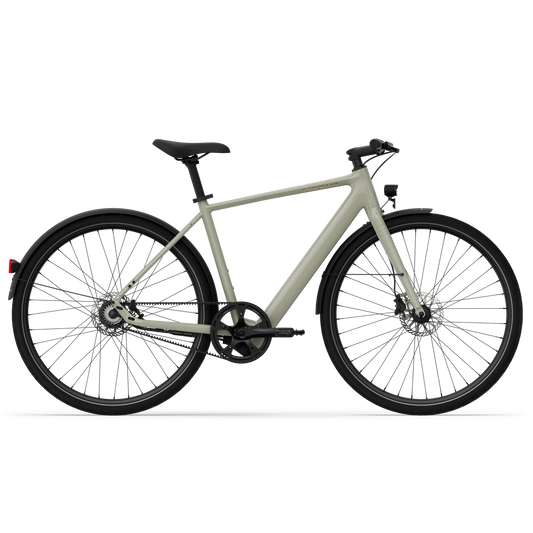


Choose between a step-through and step-over frame by testing access, handling and load with the bike set up for normal use. A step-through is easier to mount; a step-over uses a high top tube that can form a more direct structure. Motor and battery quality still matter, but they do not remove this basic frame trade-off.
Frame Design: Step-Through vs Step-Over
A step-over frame connects the head tube, seat tube and rear triangle through a high top tube. That creates a familiar diamond shape and gives designers a direct way to manage stiffness.
A step-through frame lowers or removes that top tube. The open area gives the rider more space to enter, but the remaining tubes must carry the loads that would otherwise pass through the top section. Modern frames address this through tube shaping, material placement and larger junctions.

The difference is design, not a simple measure of quality. Compare the complete frame, permitted weight and intended terrain. Our complete step-through e-bike buying guide covers the other choices around the frame.
Getting On and Off
The step-through design asks for less hip and knee movement. It is useful when making frequent stops, wearing everyday clothes, carrying rear luggage or riding with limited mobility.
A step-over frame requires the rider to clear the top tube or swing a leg over the saddle. That movement can be easy for an experienced rider on an unloaded bike and less comfortable when the bike is tall, parked on a slope or fitted with luggage.
Test both sides. Riders often mount from the left out of habit, but a crowded rack or kerb can make the other side more practical. The easier frame is the one the rider can enter and leave without pulling the bike off balance.
Stiffness and Handling
Frame stiffness helps the wheels and steering respond predictably under pedalling and cornering loads. A high top tube can achieve that with an efficient structural path, which is one reason step-over frames remain common on sportier bikes.
A well-designed step-through frame can still feel composed in normal urban use. Extra material or larger tube sections may be used to control flex. The result depends on engineering, frame size and load, not the label alone.

Handling also comes from wheelbase, steering angle, tyres and where the battery and motor sit. A low frame with centrally placed mass may feel calmer than a lighter step-over bike with a high rear load. Ride both at low speed, through a firm turn and over a rough section before deciding.
Weight and Load Capacity
Step-through frames can be heavier when additional material is used to maintain stiffness. That is a tendency, not a rule. Motor size, battery capacity, suspension and accessories often create a larger weight difference than the frame type.
Use permitted total weight to assess load capacity. This figure normally includes the bike, rider, luggage and accessories, although manufacturers may define it differently. Check carrier limits separately; a frame’s maximum does not automatically apply to a rear rack or front carrier.
Riders who regularly lift or store the bike should use our step-through weight and fit guide. If substantial family or commercial loads are the priority, a longtail bike or electric cargo bike may offer a more appropriate carrying platform than a standard city frame.
Safety and Stability
A step-through frame can make a controlled dismount easier, but it does not guarantee better balance. Stability depends on fit, steering geometry, speed, surface and load placement.
A step-over frame offers more tube to grip between the legs when standing over the bike, while a step-through frame creates more clearance during an unexpected stop. Different riders value those sensations differently.
Keep heavy luggage low and secure, follow the approved carrier limits and avoid loading one side more than the other. Practise starting and stopping with the intended load before joining traffic. Older riders or anyone rebuilding confidence can use the detailed low-speed checks in our safety and stability guide.

Which Frame Should You Choose?
Choose a step-through frame when:
Easy mounting and frequent stops are priorities.
Hip or knee movement makes a high top tube inconvenient.
The bike will be used in everyday clothing or with rear luggage.
An upright, accessible urban setup suits the route.
Choose a step-over frame when:
You prefer a sportier position and direct frame feel.
Low weight and structural efficiency matter more than open access.
The intended terrain or manufacturer’s design favours a diamond frame.
You can mount and stop comfortably with the planned luggage.
The decision should feel obvious during a test ride. If getting on or stopping requires concentration, choose the more accessible frame. If both fit well, compare the complete bike around terrain, weight, carrying needs and service support.


