
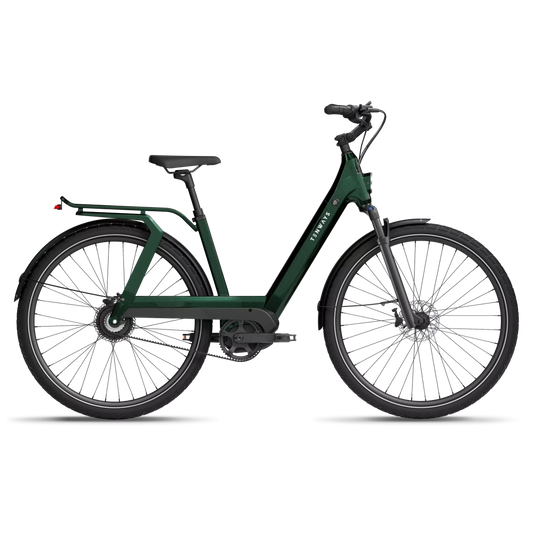
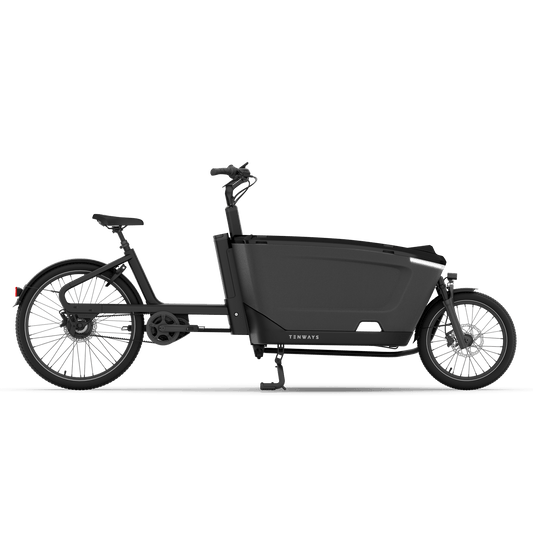


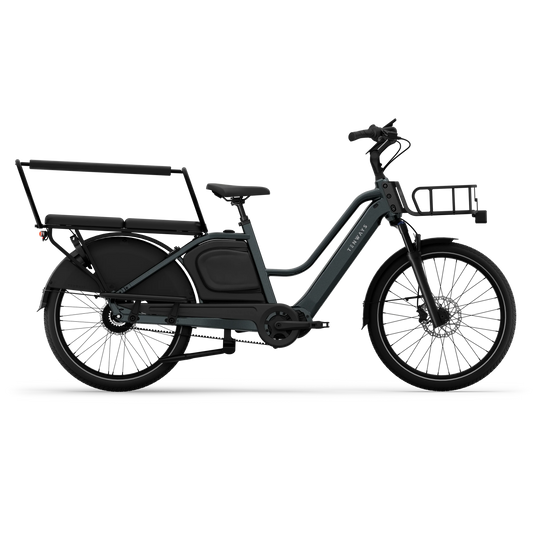
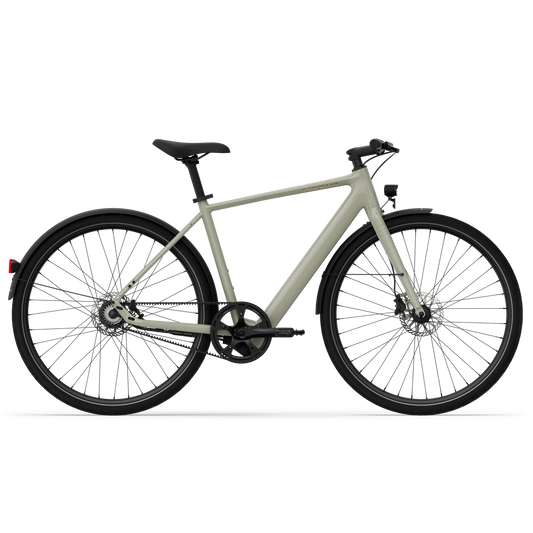


A folding step-through e-bike combines an open frame with a hinge or joint that reduces the bike’s main dimensions. It can work well for flats, motorhomes, mixed train journeys and storage areas where a full-size bike is difficult to place.
Folding does not automatically mean light, small or easy to carry. Battery size, frame reinforcement, wheels and accessories all affect the final package. Check the folded dimensions and ready-to-lift weight before treating any model as portable.
Folding Designs and Trade-Offs
A true folding frame changes the length or shape of the main structure. Some designs also fold the handlebar stem and pedals. The hinge should close positively, lock securely and remain clear of cables.
A compact e-bike may use small wheels, folding pedals or a rotating handlebar without folding the main frame. That can still solve a storage problem, but it is a different product type. A small electric bike such as the CGO COMPACT reduces its footprint through 20-inch wheels, folding pedals and an adjustable cockpit; it should not be described as a folding-frame bike.

Folding joints add hardware and need inspection. The benefit is reduced storage size; the trade-off can be more weight, a different ride feel and additional maintenance points. Compare those factors with a conventional model in our complete step-through e-bike guide.
Folded Size and Weight
Use three measurements: folded length, height and width. The smallest figure alone will not tell you whether the bike fits under a desk, inside a lift or through a motorhome door.
Measure the real storage space and leave room for cables, pedals and contact points that could mark a wall. Check whether the bike stands securely when folded or needs a support, bag or floor mat.
Weight should include the battery and the equipment that stays on the bike. A model may be compact enough for a train but too heavy to carry along a platform or up stairs. If the battery is removable, record both the complete weight and the weight of the frame you will lift.
Our guide to step-through weight, fit and easy handling covers the lifting and measurement checks in more detail.
Bike-Rack Capacity and Compatibility
E-bikes are often heavier than conventional bikes, so the rack must be rated for the complete load. Check the per-bike limit, total rack limit, number of bikes and the vehicle’s permitted towbar nose weight or roof load.
A platform rack designed for e-bikes is usually easier to load than a roof system. Roof loading raises a heavy bike above shoulder height and may exceed the vehicle or carrier limit. Follow the instructions for both the car and rack.
Measure wheelbase, tyre width and wheel-channel spacing. Confirm that clamps can hold the approved frame area without touching cables, battery covers or the folding joint. Remove panniers and other loose accessories before loading.
Frame Adapters for Step-Through Bikes
Some hanging racks expect a horizontal top tube. A step-through frame may need a manufacturer-approved adapter bar that creates a temporary support point between the seatpost and handlebar stem.
An adapter does not increase the rack’s weight rating. Its clamps must fit the bike without crushing a cable, carbon part or adjustable mechanism. The rack maker and bike maker should both permit the arrangement.

Platform racks often avoid the need for a top-tube adapter by supporting the wheels and securing the frame or tyres. Check the exact clamping method, especially on a folding frame with limited safe contact areas.
How to Secure the Bike
1. Prepare the bike
Switch off the system, remove loose luggage and fold only the parts specified for transport. Close and lock every hinge that must remain rigid on the rack.
2. Position the weight
Place the heaviest bike in the position recommended by the rack maker. Keep the bike centred in the wheel channels and away from the vehicle body.
3. Secure the frame and wheels
Use the rack’s primary clamps and straps at approved points. Tighten them firmly without deforming the frame, and secure both wheels so they cannot rotate or move sideways.
4. Recheck
Confirm lights and registration plates remain visible where required. Stop after a short distance to check straps and clamps again, then inspect them at each break.
Battery, Transport and Storage
Remove the battery when the manufacturer allows it and when doing so reduces lifting weight or protects the battery from weather. Switch the system off first, support the battery with both hands and cover the contacts according to the manual.
Carry the battery inside the vehicle where it cannot move, fall or sit in direct sun. Do not leave it near sharp metal objects, water or high heat. If the battery is integrated, transport the bike with the system off and follow the model-specific guidance.
Airlines and some transport operators restrict large lithium-ion batteries. Check the operator’s current rules before travelling; standard e-bike batteries are generally not accepted as ordinary passenger baggage.
Store the bike in a dry, secure place with the folding joint closed or supported as the manual describes. Avoid resting the bike on the derailleur, display, brake rotor or battery connector.

Inspect hinges, catches and safety locks regularly. Look for play, corrosion, damaged cables or unusual noise, and use the specified fastener torque. Do not lubricate a joint unless the manufacturer instructs it.
For longer storage, follow the battery maker’s recommended charge level and temperature range. Check tyre pressure, operate the brakes and recharge as instructed rather than leaving the bike untouched for a full season.
A useful folding setup removes a real storage or transport obstacle. Measure first, check every weight limit and choose a design that can be folded, lifted and secured without improvised contact points.


