
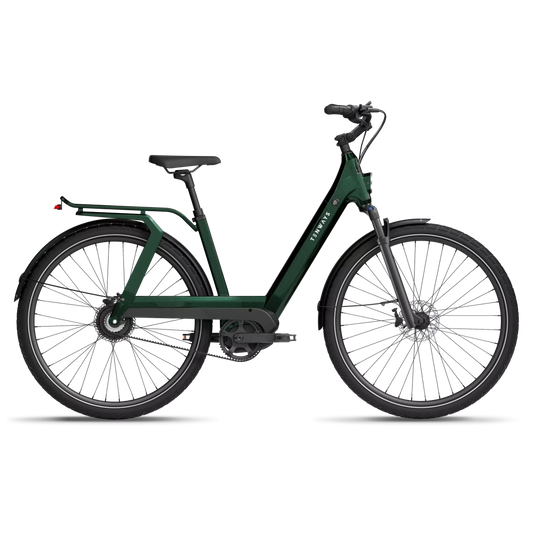
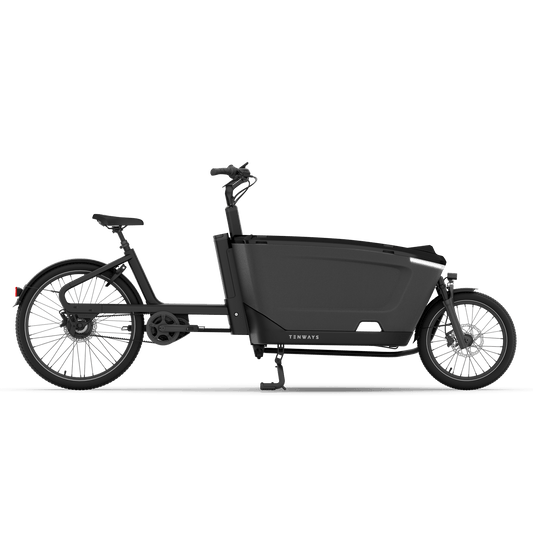

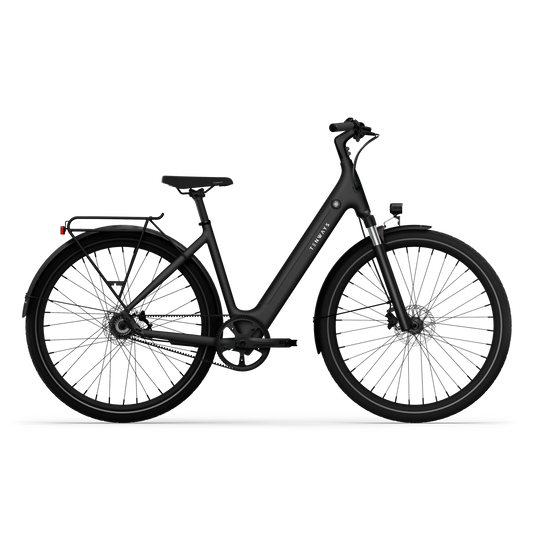
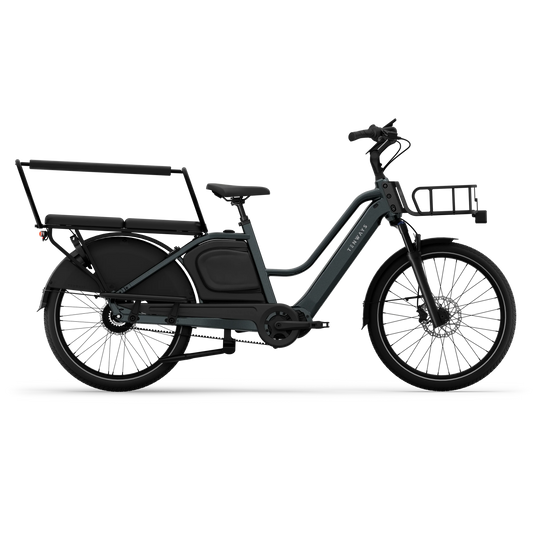


A battery is the source of power for every electric bike, and the component that receives the most inquiries. You want to know more about e-bike batteries, and we totally get it. So today, we'll give you the full A to Z on this hot topic.
What are e-bike batteries?
An e-bike battery consists of many smaller battery cells, packed in a specific way to provide the power needed. Nowadays, most e-bikes use lithium-ion cells which efficiently provide electric power through chemical reactions. The technology of an e-bike battery is actually the same (or very similar) to what you would find in an electric car or smartphone.
To show us what mysteries are happening inside those little cells, a good-quality battery usually uses a battery monitoring system (BMS) to show the battery's performance and protect the cells.

What impacts e-bike battery performance?
If you are a seasoned e-bike rider, you might notice that the total distance you get from a full battery charge varies from time to time. This is because a variety of external factors can impact the battery's performance, on top of the battery volume. These factors can really be anything and everything, including (but not limited to) weight load, road terrain, slopes, wind speed, and especially temperature. So please don't be worried if you only get one third of the usual distance on a very cold day; the performance should be back to normal when the temperature rises.
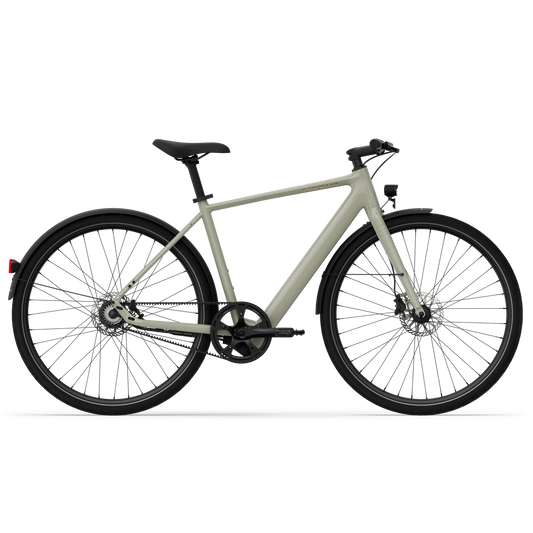
Another factor impacting the range you can get on a full charge is the power system it works with. Even with the same battery volume, different e-bikes will offer a wide variety of ranges. For this reason, we equipped the TENWAYS CGO600 with a high-precision magnetic torque sensor which provides decent energy efficiency, to offer enhanced range on a sleek e-bike.
 How long will my battery last?
Purchasing an e-bike is no small investment, so naturally we all want to know how long the battery will last. By design, a decent battery can guarantee at least 300-500 full-charge-to-full-depletion cycles, thanks to good-quality cells and the BMS. The BMS can cut off the power and protect the cells whenever it senses something abnormal, such as overheating or overcurrent.
Besides, the number one factor impacting your battery's lifespan is how well you take care of it. E-bike manufacturers usually offer a one- to two-years' warranty, and you can make the battery last even longer through good practice.

How can I make the battery last longer?
Charging, discharging, storage, and environment are the 4 key pillars of e-bike battery care. Check out our top tips on this, and you could at least double your battery's lifespan.

What to do if my battery stops working?
If your e-bike is still within warranty, the answer is fairly simple: please contact your e-bike's manufacturer for help. But what if you are outside of the warranty period?
Well, although we can't answer for other brands, you really don't need to worry about this if you're a TENWAYS customer. We will provide replacement batteries for free within the 2-year warranty for all our e-bikes. Even if your e-bike's battery is dead after 2 years, you can still purchase a new battery from us by contacting our technical support at support@tenways.com.
We totally understand the deep emotional connection riders can develop with their e-bikes, and that's why we aim at not only providing the best urban riding experience, but also the best customer support. We want our e-bikes to be the best companion for our customers' every journey, for many years to come.
TENWAYS is keen to share your attitude and lifestyle, and accompany you on your way to work, friends and families on your e-bikes. Please check out TENWAYS on our YouTube, Instagram and Facebook. We are looking forward to exploring a fun journey with you!


