




Starting an e-bike commute is simple, but a few avoidable choices can make daily rides harder than they need to be. The right bike, a handful of safety checks and a route that suits both rider and bike will make the biggest difference. Here are the common mistakes to avoid when using electric bikes for everyday travel.
Picking the wrong model
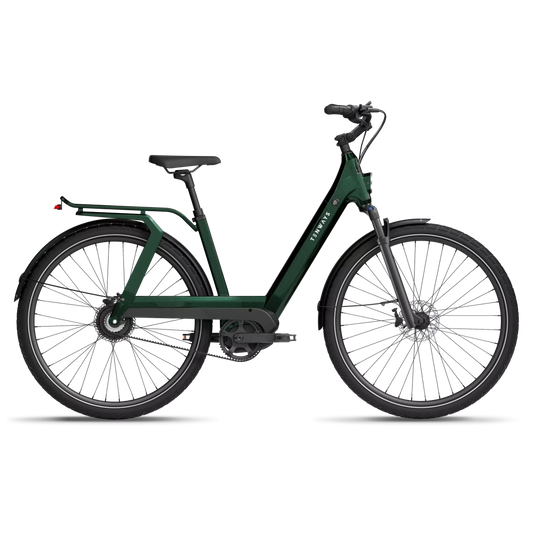
Choosing from the many bikes available can feel overwhelming. An e-bike designed for the wrong terrain, distance or carrying needs can quickly make commuting less convenient. A fatbike can suit soft or rough surfaces, but its extra width and weight may be unnecessary for busy city streets. If that style is on your shortlist, our guide to fatbikes explains how it differs from a standard city e-bike.
Start by comparing the bikes around the journeys you actually make. Consider distance, road surface, hills, storage, charging access and anything you carry. This gives you a clearer shortlist than choosing by appearance or one headline specification.
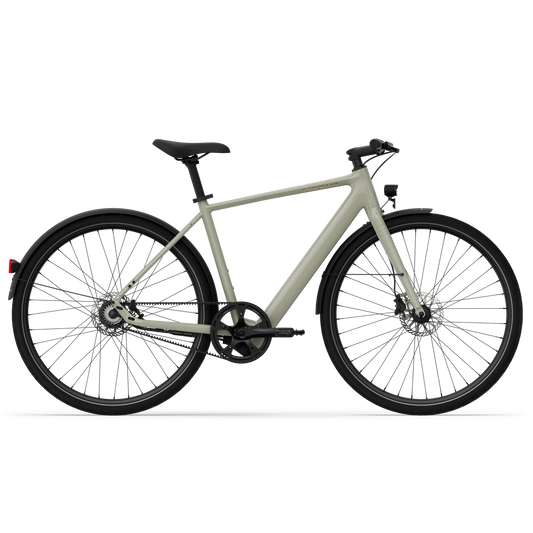
Weight and storage matter as soon as you need to lift the bike onto a rack, carry it up steps or move it through a narrow hallway. In those situations, a lightweight electric bike such as the CGO600 can make daily handling noticeably easier. If storage space is limited, a small electric bike such as the CGO COMPACT may suit the routine better.
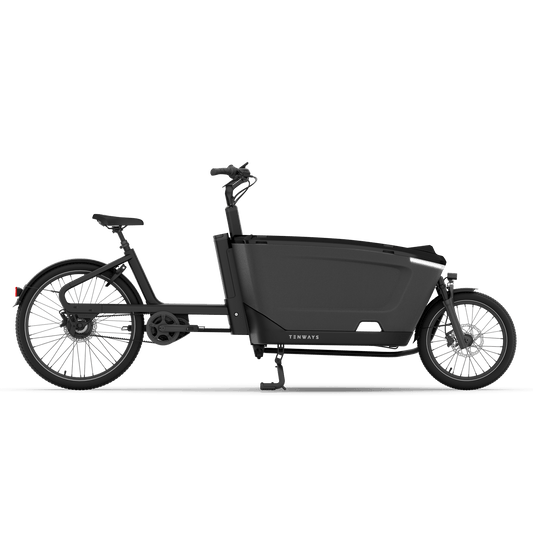
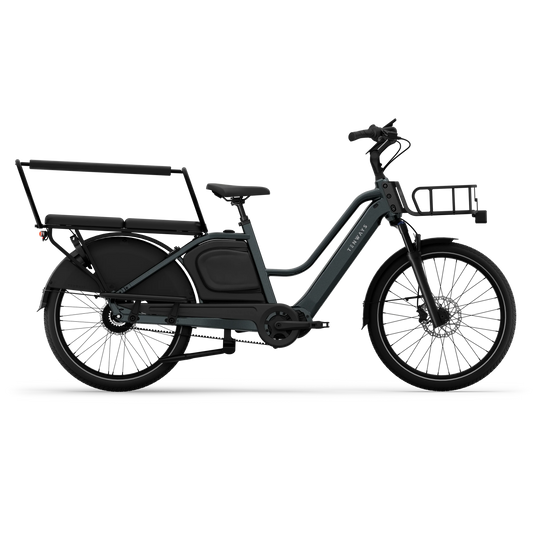
For school runs or larger loads, a longtail bike or an electric cargo bike can offer more carrying space than a standard city model.
Safety first, always
Neglecting the basics can turn a routine commute into an avoidable risk. Wear a suitable helmet, choose clothing that keeps you visible and make sure lights are ready before setting off. Comfortable, functional clothing is usually more useful than anything that restricts movement or distracts you while riding.
Knowing the traffic rules in your area is just as important. If you are new to e-biking, practise braking, starting and cornering somewhere quiet before joining heavy traffic. This helps you understand how the assistance responds and how the bike feels at different speeds.
Regular checks should become part of the routine. Inspect the brakes and tyres, confirm that the lights work and look for anything loose or damaged. Correct tyre pressure supports predictable handling, comfort and efficient rolling. Our e-bike tyre pressure guide explains how to choose a practical starting point for the tyre and load.
Planning for the right ride
Once you have the right e-bike, plan routes that suit its capabilities. A route designed for cars is rarely the only option available on two wheels. Quieter streets and dedicated cycle paths may be safer and more enjoyable, even when they add a small amount of distance.
Match the route to the bike. City tyres and streamlined geometry are ideal for paved roads, but they may not be the right choice for muddy tracks or rough trails. Also consider where you can park, whether you need to recharge and how the weather may affect the journey.
Your own comfort and fitness matter too. E-bikes make commuting more accessible, but you are still pedalling. Begin with shorter journeys if necessary, learn which assistance level feels right and extend your rides gradually.
Ride safely and smartly
A reliable commute comes from a few sensible decisions made consistently: choose a bike that fits the journey, check the essentials and plan a suitable route. Whether you are an experienced cyclist or preparing for your first week of e-bike commuting, these habits make daily travel safer, smoother and easier to repeat.


