
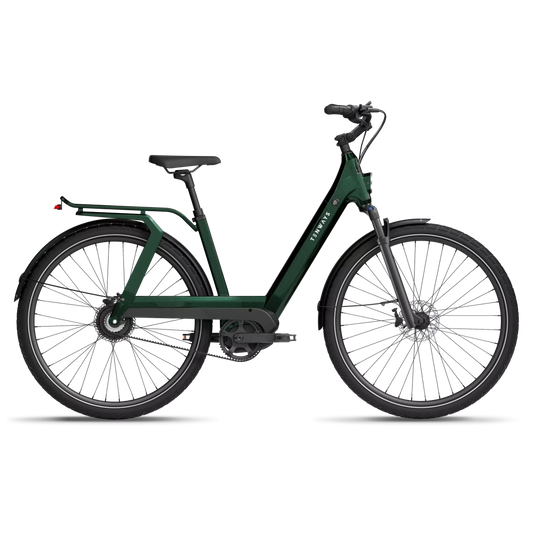
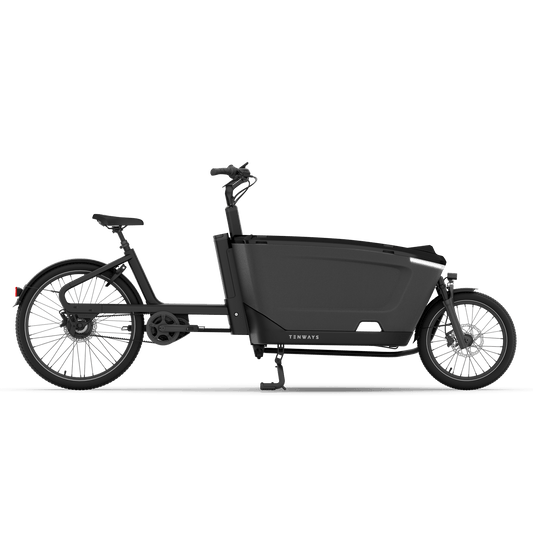


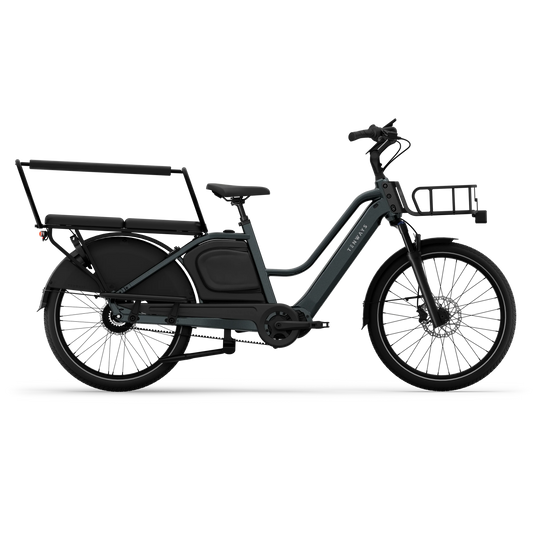
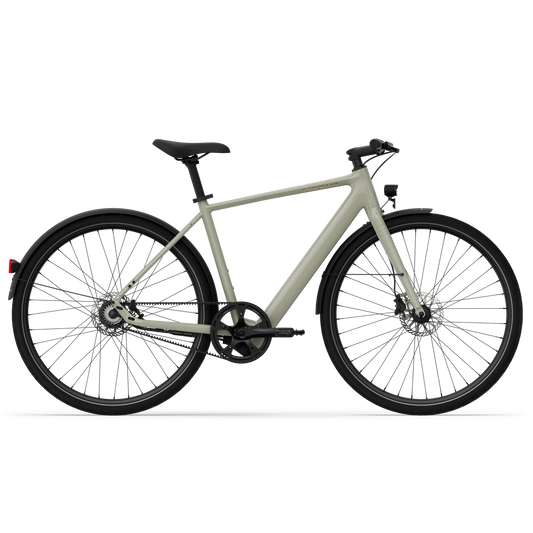


A smooth ride depends on more than motor power. The way energy moves from the pedals to the rear wheel also shapes noise, maintenance and everyday feel. That is why belt-drive systems have become a practical alternative to traditional chains on electric bikes designed for daily urban riding.
What is a belt drive?
Many conventional bikes use a chain and derailleur with several sprockets. This familiar system makes it possible to change gears, but the exposed components need regular care. Chains can collect dirt, require lubrication and gradually wear, while sprockets also need attention over time.
A belt drive uses a continuous belt instead of linked metal chain sections. It can work with internal hub gearing, a clutch system or a single-speed bike. Because there are no chain links to lubricate, the system stays cleaner and needs less routine maintenance.
For riders who want a simple urban setup, the CGO600 is a belt drive ebike that combines this low-maintenance drive system with responsive torque-sensing assistance.
Why Gates Carbon Belt Drive?
Gates Carbon Drive systems are widely used because they are designed for durability, low maintenance and consistent operation. The belt is made as one continuous piece, so there are no individual chain links that can stretch, seize or require oil.
The construction also makes the system well suited to year-round riding. Actual service life still depends on correct alignment, tension, riding conditions and care, but the day-to-day routine is simpler than it is with an exposed chain drive.
Care-free everyday riding
A Gates belt uses a weather-resistant polyurethane exterior with strong carbon-fibre tensile cords inside. These cords help the belt retain its shape under load.
The system does not require chain lubricant. Routine care usually means keeping it clean, checking for trapped debris and following the inspection guidance for the specific bike. Belt tension and alignment should be checked if the drive feels different, makes a new sound or shows visible damage.
Drive-system durability is only one part of the wider question of how long an electric bike lasts. Battery condition, motor performance, frame integrity, brakes, tyres and parts availability all matter when assessing the complete bike.
Clean and quiet
Without regular oiling, a belt drive is easier to keep clean. Road dust and debris can still collect around the belt and sprockets, so gentle cleaning remains worthwhile. Avoid aggressive cleaning methods that could push water into bearings or electrical connections.
The belt and sprockets also produce little mechanical noise when they are clean, correctly aligned and in good condition. That allows the rider to notice the sound of the motor and the surroundings more clearly.
A smooth combination
TENWAYS pairs the Gates Carbon Belt Drive with a responsive power system to create natural-feeling assistance for urban riding. The torque sensor measures rider input and adjusts support accordingly, while the belt transfers that effort quietly to the rear wheel.
The result is a clean, simple riding experience suited to commuting and frequent short journeys. Riders still need to check brakes, tyres and other wear components. Our e-bike tyre pressure guide explains one of the simplest routine checks, while the belt drive itself asks for little day-to-day attention.
Is a belt-drive e-bike right for you?
A belt drive is a strong choice if you value low maintenance, quiet operation and a cleaner drivetrain. A chain drive may offer more configurations and can be familiar to service, so the right answer depends on the route, gearing needs and how the bike will be used.
Compare the complete setup rather than choosing on the drive system alone. Weight, motor type, riding position, battery design and service support should all fit the journeys you plan to make.


