




Introduction
Choosing the right e-bike is a balance of power and riding comfort. Whilst many riders may be tempted to chase the highest torque figure, there's more nuance to finding the best fit.
So, does higher torque always mean better performance? And does the Newton-Metre (Nm) figure matter when you're deciding which e-bike suits you best?
This guide covers what e-bike torque is, how it affects your ride, and what other factors you should consider.
What is e-bike torque and why does it matter?
E-bike torque is the rotational (twisting) force produced by the motor, measured in Newton-meters.
In everyday riding, torque is the pulling power that helps you set off from a standstill, climb hills and carry extra weight. In short, it's what helps whenever a ride gets a little tough!

Does more e-bike torque mean better performance?
Not necessarily. A higher Nm figure means the motor can deliver more rotational force, but performance can also depend on motor design, gearing, bike weight and how the system is tuned.
The amount of torque that suits you depends on:
- Your usual riding terrain and distance
- Whether you regularly carry additional weight
- How much physical effort you want to contribute
Therefore, a higher Nm figure doesn't immediately mean a better ride. What matters is how well it suits the way you ride and works with the rest of the e-bike.
What else should you consider when choosing an e-bike?
Torque is just one of several factors influencing an e-bike's overall performance. For the full picture, consider it alongside:
- Motor type: Hub-drive motors sit in the wheel, while mid-drive motors are mounted at the cranks and work through the e-bike's gears. Each delivers assistance differently, and output varies with motor design and system settings.
- Battery: A higher-capacity (Wh) battery stores more energy, letting you sustain motor assistance longer before needing to recharge.
- Gearing: Using your gears efficiently means that you can tackle a variety of terrains more easily.
- Bike weight: Overall riding experience, portability, and handling are all impacted by the weight of your e-bike.
- Geometry: Frame shape and riding position influence comfort, stability, and control.
- Sensor technology: The sensor technology you opt for determines how the motor responds to your input.

Torque sensor vs. cadence sensor
For quick clarification, since the two can be easily confused, torque (Nm) measures the rotational force produced by the motor. A torque sensor is a component that detects how hard you pedal and adjusts motor assistance accordingly.
They sound similar, but they're separate concepts. A torque sensor doesn't tell you how powerful a motor is, but it matters because it can dictate how assistance feels.
The two main types of pedal-assist sensing are torque sensors and cadence sensors:
| Comparison | Torque sensor | Cadence sensor |
|---|---|---|
| How it works | Detects how hard you pedal and adjusts motor assistance to match. | Detects pedal rotation and activates assistance to your selected assist level and system settings. |
| Riding experience | More natural and responsive, following your pedalling effort. | More relaxed, with assistance activated through pedalling. |
| Power delivery | Responds directly to changes in pedalling forces. | Less directly linked to pedalling force; responsiveness varies between systems |
| Physical effort | Stronger assistance is generally linked to greater pedalling effort. | Less effort is needed to activate assistance. |
| Advantages | Natural, smooth riding feel, responsive assistance, with an intuitive connection between rider and motor. | Easy operation, relaxed riding. Potentially lower system cost and popular for entry-level e-bikes. |
| Disadvantages | May require more active pedalling; can be more expensive. | Assistance may feel less closely matched to changes in effort, depending on the system. |
| Best suitable for | Riders who value natural assistance, control, and varied riding conditions. | Riders who prefer straightforward assistance and relaxed riding, particularly on flatter routes. |
Neither sensor is universally better, because there's no such thing as the universally best e-bike, either. The right choice depends on how you like to ride.
Find the right balance, not just the highest Nm
Torque can make climbing hills and heavy loads a breeze for riders of all experience levels and ages, but a higher Nm figure doesn't automatically mean a better e-bike.
The best choice comes from considering your riding habits alongside how the motor, battery, gearing, geometry and other components work together. It's the balance of these that delivers the smoothest, most comfortable ride.
We opt for durable magnetic torque-sensing technology for our TENWAYS e-bikes to give you motor assistance that matches your effort intuitively, conserving your battery life and keeping your energy levels up for more adventures!
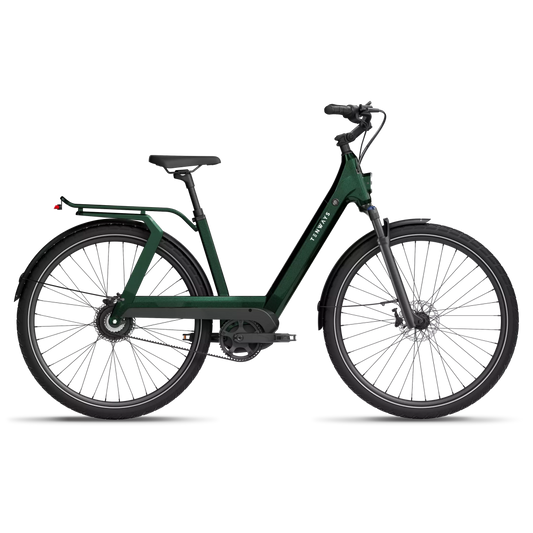
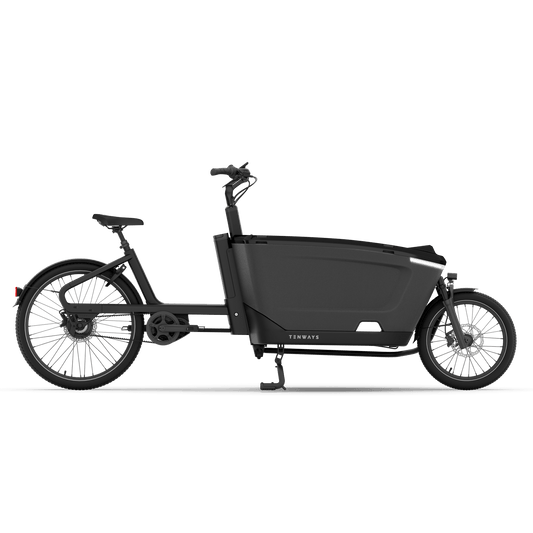
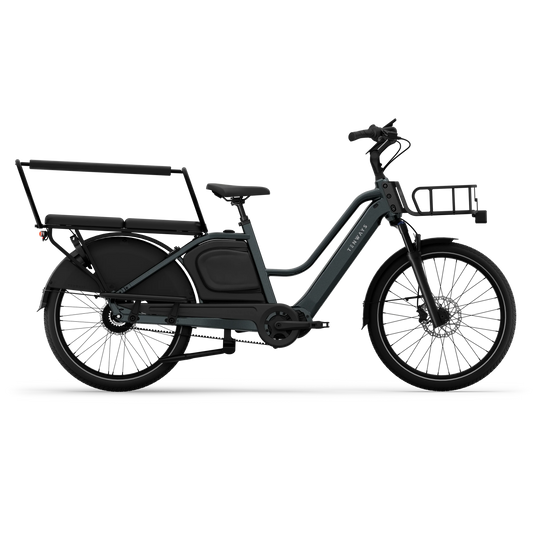
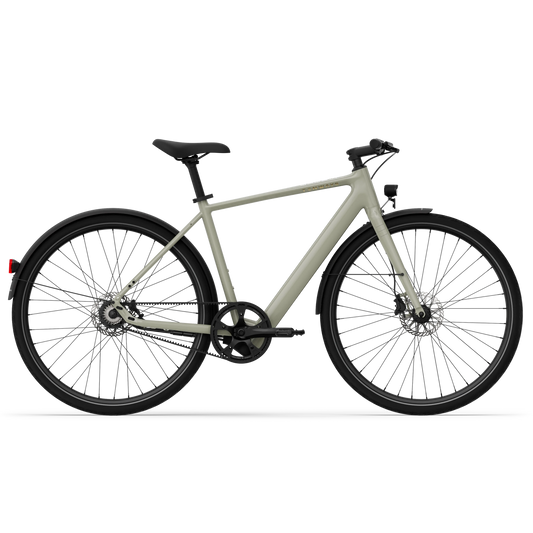
Why not explore the TENWAYS e-bike collection to find your ideal riding companion, or use our handy comparison tool for an in-depth look at the specifications?


